The importance of trauma informed approaches in schools
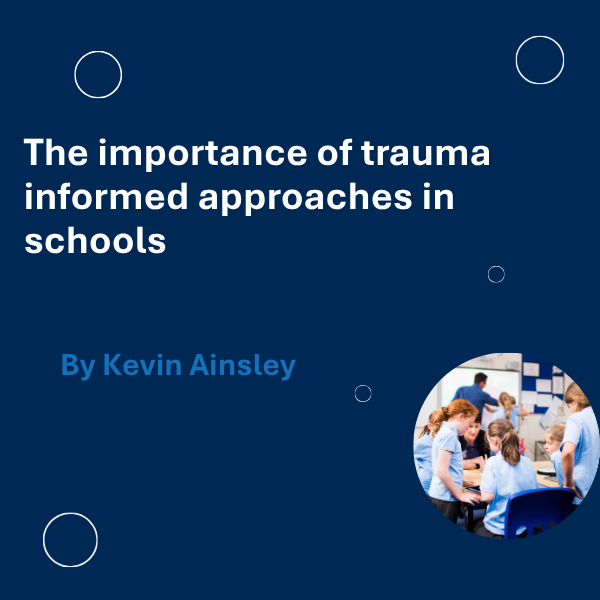
In today’s educational landscape, addressing student behaviour and mental health has become increasingly critical. At PRICE Training we specialise in providing training and consultancy in trauma-informed Positive Approaches to Challenging Behaviour (PACB). Our range of courses equip educators with the tools and knowledge needed to create supportive, inclusive school environments. This article explores the significance of trauma-informed approaches in schools and how they can transform educational experiences for both students and staff.
Understanding trauma and its impact
Trauma can significantly impact a student’s ability to learn and interact with others. Experiences such as abuse, neglect, or witnessing violence can leave lasting effects on a child’s brain development, emotional regulation, and behaviour. Recognising the signs of trauma is the first step in addressing these challenges effectively.
By implementing trauma-informed approaches, schools can create environments where students feel safe and supported. This involves understanding the widespread impact of trauma and integrating this knowledge into policies, procedures, and practices.
Moreover, trauma-informed practices help in building trust and relationships with students, which are essential for their emotional and academic growth. When students feel understood and supported, they are more likely to engage positively in their education.
The role of educators in trauma-informed practices
Educators play a crucial role in implementing trauma-informed approaches. They are often the first to notice changes in a student’s behaviour or emotional state. Thus, it’s vital for educators to be equipped with the skills and knowledge to respond appropriately.
Our suite of school specific PACB programmes provide educators with a framework for understanding what it means to be ‘trauma-informed’. These courses emphasise proactive strategies designed to reduce distressed and concerning behaviours and promote a positive school climate.
Additionally, our training helps educators develop a deeper understanding of their own emotional responses. By being mindful of their reactions, educators can maintain a calm and supportive presence, which is essential for students who have experienced trauma.
Creating safe and supportive school environments
A trauma-informed school environment prioritises safety and support for all students and staff. This means creating spaces where students feel physically and emotionally secure. It involves establishing clear, consistent routines and expectations that help students know what to expect and feel more in control.
Moreover, a supportive school environment encourages open communication and collaboration among staff, students, and families. This holistic approach ensures that everyone involved in the student’s education is working together to support their wellbeing and academic success.
Benefits of trauma-informed approaches
Implementing trauma-informed practices in schools offers numerous benefits. Firstly, it helps reduce behaviours of concern, creating a more conducive learning environment. When students feel safe and understood, they are less likely to exhibit disruptive behaviours.
Secondly, trauma-informed approaches promote better academic outcomes. Students who feel supported are more likely to engage in their learning and achieve higher academic performance. This is particularly important for students who have experienced trauma, as they often face additional challenges in their educational journey.
Finally, these practices benefit the entire school community. Educators and staff experience less stress and burnout, leading to improved job satisfaction and retention. Additionally, a positive school climate builds stronger relationships and a sense of belonging among all students.
Training and professional development
To effectively implement trauma-informed approaches, ongoing training and professional development are essential.
Professional development helps educators stay current with the latest research and best practices in trauma-informed care. This continuous learning is vital for maintaining a high standard of support and ensuring that interventions are effective and evidence based.
Furthermore, investing in professional development demonstrates a commitment to the wellbeing of both students and staff. It shows that the school values the importance of trauma-informed practices and is dedicated to creating a supportive educational environment.
Implementing trauma-informed policies
Effective trauma-informed approaches require more than just individual interventions; they also involve school-wide policies and practices. These policies should reflect an understanding of trauma and its impact, and they should guide the actions of all staff members.
Policies should also include measures for regular assessment and improvement. By continually evaluating the effectiveness of trauma-informed practices, schools can make necessary adjustments and ensure that they are meeting the needs of their students.
Building resilience in students
One of the key goals of trauma-informed approaches is to build resilience in students. Resilience helps students cope with adversity and bounce back from challenges. It is a critical factor in their long-term success and wellbeing.
Our emphasis on evidence based data driven individualised behaviour support for students provides a solid framework for achieving these outcomes. A focus in our training on proactive preventative and proactive developmental strategies supports growth and development. Teaching new skills and behaviours, coping strategies, promoting positive relationships, and providing opportunities for students to succeed and feel competent are core elements of this.
By building resilience, educators can help students develop the inner strength and resources they need to navigate life’s challenges and thrive in their academic and personal lives.
Collaboration with families and communities
Trauma-informed approaches are most effective when they involve collaboration with families and communities. Families play a crucial role in supporting their children’s education and wellbeing, and their involvement is essential for the success of trauma-informed practices.
Our training emphasises the importance of engaging families and communities in the educational process. This includes regular communication, involving families in decision-making, and providing resources and support to help them understand and address their children’s needs.
Community partnerships can also enhance trauma-informed practices. By working with local organisations and agencies, schools can access additional resources and support for students and families. This collaborative approach ensures that students receive comprehensive care and support.
Addressing staff wellbeing
Supporting the wellbeing of educators and staff is a fundamental aspect of trauma-informed approaches. Educators who are well-supported and equipped to manage their own stress are better able to provide effective support to their students.
A focus on practice leadership, post incident support and learning, frequent good quality supervision are key to success here.
Moreover, a focus on staff wellbeing creates a positive work environment, leading to improved job satisfaction and retention. When educators feel valued and supported, they are more likely to remain committed to their roles and contribute to a positive school climate.
Measuring the impact of trauma-informed practices
To ensure the effectiveness of trauma-informed approaches, it is important to measure their impact. This involves collecting data on student behaviour, academic performance, and overall wellbeing, as well as feedback from educators, students, and families.
Our training includes guidance on how to conduct assessments and use data to inform practice. By regularly evaluating the impact of trauma-informed practices, schools can make data-driven decisions and continuously improve their approaches. construct highly individualised behaviour support plans.
Measuring impact also helps in demonstrating the value of trauma-informed practices to stakeholders. Clear evidence of positive outcomes can support continued investment in these approaches and promote their adoption in other schools and communities.
Addressing specific needs
Different students may have different needs, and trauma-informed approaches should be tailored to address these specific needs. This includes considerations for age, cultural background, and individual experiences of trauma and/or intellectual disabilities.
Our courses are based on a unified theory of behaviour. This combines Trauma Informed Practice with Positive Behaviour Support. By adopting a tiered system of support we provide specialised training for addressing the unique needs of different student populations. This ensures that interventions are appropriate and effective for each student.
By tailoring trauma-informed practices to the specific needs of students, educators can provide more personalised support and create a more inclusive and supportive school environment.
The future of trauma-informed education
As awareness of the impact of trauma grows, the future of education will increasingly involve trauma-informed approaches. Schools that adopt these practices will be better equipped to support their students and create positive learning environments.
PRICE Training is committed to leading the way in providing high-quality training and consultancy in trauma-informed, school-wide positive approaches to challenging behaviour. Our comprehensive range of courses ensures that educators are well-prepared to meet the challenges of supporting students who have experienced trauma.
By continuing to promote and implement trauma-informed practices, we can create a future where all students have the opportunity to succeed and thrive.
Implementing trauma-informed approaches in school environments is essential for supporting the wellbeing and success of all students. By prioritising safety, understanding, and proactive strategies, schools can create positive learning environments where students feel supported and valued. If you are interested in learning more about how trauma-informed practices can benefit your school, please get in touch with a member of the PRICE Training team.
Published 1st September 2026
Share this story
More News
Back to news



Ready to Create Safer Environments?
Book a call with a member of our team today and discover how we can help
Book a Call